Finding the right influencers has never been easier!
🚀 Save time with our innovative tool
🔍 Quickly identify the perfect influencers for your brand
📈 Maximize the impact of your influencer campaigns



Influencer marketing allows you to promote products through trusted voices. Brands keep choosing this channel because influencer recommendations boost awareness, share brand messages, and boost sales.
But influencer marketing can't be approached in the same way as other channels. To succeed, you need a deep understanding of the nuances of influencer selection, strategy, and reporting.
This article explains what influencer marketing is, how to build an effective strategy, and how to measure ROI.
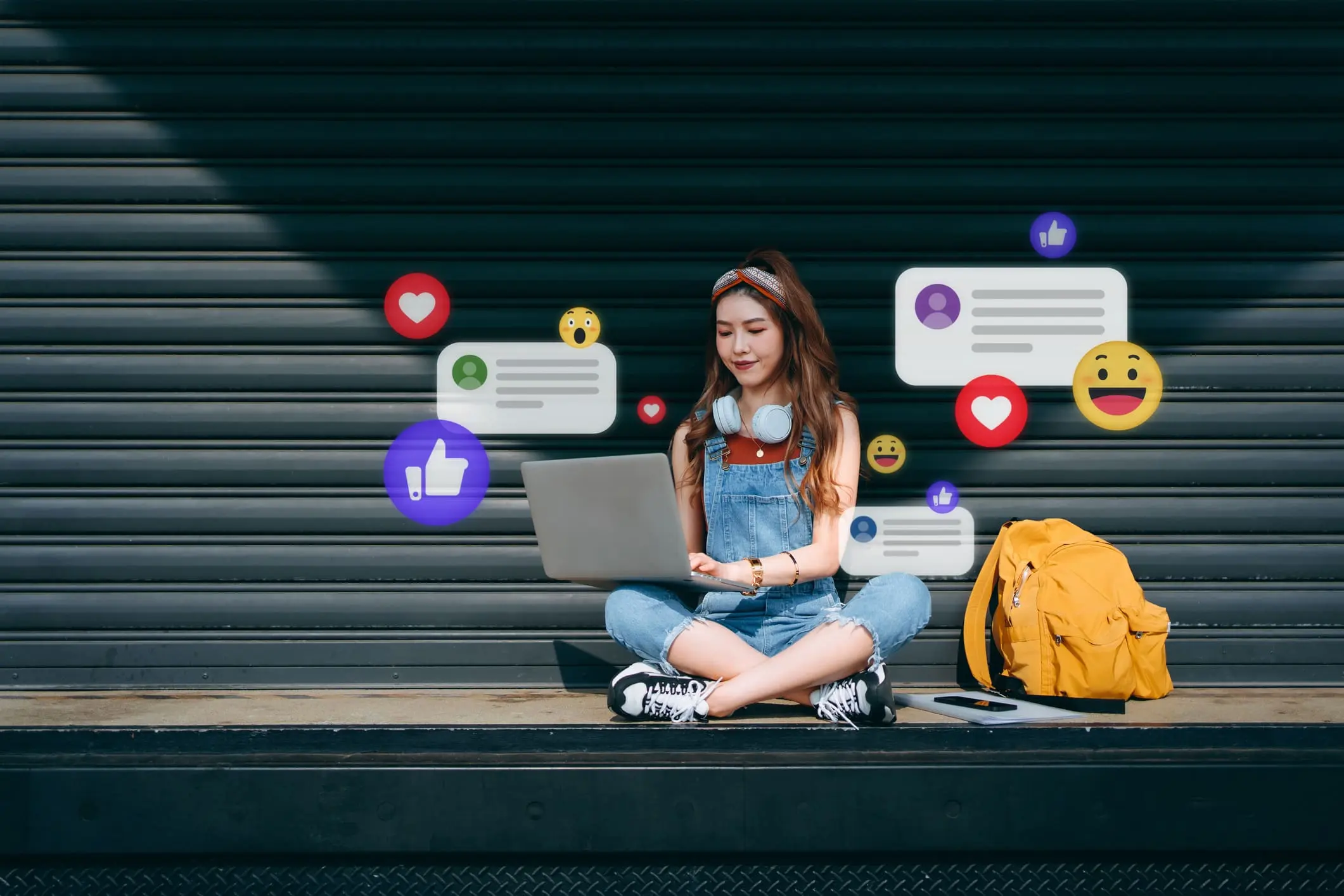
Influencer marketing is a digital marketing strategy where brands collaborate with social media creators to promote products or services to their audiences. Influencers publish sponsored or incentivised content on platforms such as Instagram, TikTok, and YouTube, helping brands reach targeted communities through trusted voices.
Influencer marketing originally grew out of blogging and YouTube creator partnerships in the early 2010s and has since evolved into an established marketing channel. It resembles celebrity endorsements, but there are important differences between celebrity and influencer campaigns.
Here’s why influencer campaigns differ from celebrity endorsements:
A good example is Elle McNamara (@bambidoesbeauty, 860k followers, Instagram), who shares skincare content. McNamara takes on a “big sister” role, sharing skincare secrets and product reviews that feel genuine. She combines product reviews with honest insights into her life: child-free and living with her parents in her 30s. Her recent ad for Drunk Elephant mixed both content styles and generated 14k likes and 318K views.
Influencer recommendations can engage large audiences. But as social commerce—consumers buying products on social media platforms—grows, influencer recommendations become even more powerful. This marketing tactic is shifting from an awareness channel to a full-funnel strategy that takes shoppers from awareness to purchase.
According to Deloitte, consumer confidence dropped in Q4 2025. UK shoppers are less willing to spend on non-essentials, leaving brands competing for their spare cash.
Businesses must meet consumers where they are, which is increasingly on social media channels. An IPA report found that British people now spend more time on their mobile phones than watching TV. A large part of the online shift stems from the rise of short-form video, which offers fast-paced entertainment.
Gen Z and Millennial consumers grew up online and view social media as trustworthy. They use these channels to discover and research businesses and products. Increasingly, shoppers are also purchasing on social platforms.
According to Retail Economics, 69% of UK consumers have bought products because they saw them on social media. Brands must build trust and engage shoppers on these platforms that are quickly becoming a key part of the buying journey.
At the core of influencer marketing are influencers, who promote products to their audiences.
Here’s a quick breakdown of influencer types and what they offer:
These creators can be active on any social platform, such as TikTok, Instagram, YouTube, or LinkedIn. It’s worth noting that follower counts do not accumulate across platforms. For example, an influencer with 5k followers on YouTube, TikTok, and Instagram is a nano-influencer on each platform, even though they have 15k followers “overall.”
However, campaigns need more than just influencer selection.
Here’s how influencer marketing campaigns typically work:
As the industry matures, data becomes more readily available. Businesses increasingly use influencer marketing platforms to manage operationally complex campaigns. These platforms make tracking and optimisation easier.
A key metric is EMV, which estimates how much organic reach and engagement would have cost to generate through other traditional digital marketing channels. If an influencer’s post generated £20k in EMV, for example, the campaign would have cost around the same amount to generate that level of reach and attention via other digital channels, such as paid ads. It’s a way to compare the cost of the exposure with other channels.
Understanding the different types of influencer campaigns helps you choose the best tactic for your goals and funnel stage. It’s not a one-size-fits-all channel.
Here are the key types of influencer campaigns:
There is more data available for influencer campaigns than ever. But that adds complexity and can leave marketers struggling to find the relevant insights.
Here is a breakdown of common influencer marketing KPIs and when they’re relevant:
Influencer marketing is regulated by the ASA and CMA in the UK. These bodies can issue fines or “name and shame” brands and influencers who fail to meet requirements. Compliance is both the brand's and the influencer’s responsibility.
UK brands and agencies take regulations seriously, with 70% asking influencers to adhere to advertising regulations, according to Kolsquare data.
Here are the UK regulations you should be aware of:
These rules apply across all social media platforms. It’s also worth noting that your content must meet the expectations of the country you sponsor an influencer in. So if you activate an influencer in the US or EU, you’ll need to follow their guidelines.
Even experienced marketers may struggle with influencer campaigns if they aren’t knowledgeable about the unique challenges of working with creators.
Avoid the following influencer marketing mistakes:
Social media trends change constantly, and so does influencer marketing. Staying ahead of trends keeps you competitive and ready to pivot your strategy when needed.
Expect the following influencer marketing trends to take off in 2026:
We expect influencer marketing tools like Kolsquare to drive much of this change. Marketers benefit from these platforms at every step of the campaign, thanks to AI-driven influencer selection, campaign management, and in-depth reporting. They help you gain a clear understanding of influencers and campaigns that drive the strongest results.
Kolsquare is Europe’s leading Influencer Marketing platform, offering a data-driven solution that empowers brands to scale their KOL (Key Opinion Leader) marketing strategies through authentic partnerships with top creators.
Kolsquare’s advanced technology helps marketing professionals seamlessly identify the best content creators by filtering their content and audience, while also enabling them to build, manage, and optimize campaigns from start to finish. This includes measuring results and benchmarking performance against competitors.
With a thriving global community of influencer marketing experts, Kolsquare serves hundreds of customers—including Coca-Cola, Netflix, Sony Music, Publicis, Sézane, Sephora, Lush, and Hermès—by leveraging the latest Big Data, AI, and Machine Learning technologies. Our platform taps into an extensive network of KOLs with more than 5,000 followers across 180 countries on Instagram, TikTok, X (Twitter), Facebook, YouTube, and Snapchat.
As a Certified B Corporation, Kolsquare leads the way in promoting Responsible Influence, championing transparency, ethical practices, and meaningful collaborations that inspire positive change.
Since October 2024, Kolsquare has become part of the Team.Blue group, one of the largest private tech companies in Europe, and a leading digital enabler for businesses and entrepreneurs across Europe. Team.Blue brings together over 60 successful brands in web hosting, domains, e-commerce, online compliance, lead generation, application solutions, and social media.
Brands measure influencer marketing ROI by comparing campaign costs with the value generated through engagement, traffic, and sales. Marketers typically track metrics such as earned media value (EMV), engagement rate, conversions, and cost per acquisition (CPA) to evaluate performance.
Yes. In the UK, the ASA and CMA oversee influencer marketing. Ads must be clearly disclosed with #ad, #gifted, Paid Partnership, or a similar label to avoid penalties.
Earned media value (EMV) is an estimate of how much the reach, impressions, and engagements generated by a campaign would have cost to generate through other digital marketing channels.
Instagram is the most popular influencer marketing platform in the UK, chosen by 92% of brands and agencies, according to Kolsquare’s State of Influencer Marketing Report. TikTok, YouTube, and LinkedIn are also popular choices.
Influencer marketing budgets continue to grow in 2026, with brands now allocating between 20% and 30% of their total marketing spend to creator collaborations and up to 50% among digital-first brands. This growth reflects a shift from one-off sponsorships to full-funnel strategies combining awareness, engagement, and conversion.
Average fees vary widely depending on the platform, creator tier, and campaign scope. While Instagram remains a key driver for brand visibility, TikTok dominates short-form engagement and YouTube commands higher investments due to long-form storytelling and production value. However, the era of fixed “price-per-post” grids is over. Pricing now depends on objectives, deliverables, and metrics, whether that’s EMV, affiliate sales, or UGC production.
Pricing models also differ: some creators charge flat fees, others link compensation to performance. Industry and region also influence costs. Beauty, fashion, and luxury often command higher rates than tech or B2B sectors, and fees in France or the UK are generally above Southern European averages.
2026’s influencer marketing is closer to media investment than PR spend. Campaigns that combine organic content, paid amplification, and creative storytelling deliver stronger returns, but also require bigger budgets and greater precision in planning.
As influence becomes more professionalised, costs reflect not only visibility but also the discipline, creativity, and trust that creators bring to sustained brand growth.
Learn more insights from Kolsquare’s latest Influencer Marketing Budget Report.
Influencer marketing is a type of social media marketing where companies collaborate with people who have significant (typically above 5,000 followers) accounts.
The first step is selecting influencers with audiences that align with your target demographic and campaign goals. Then, you encourage or pay the creator to post content featuring your brand.
Influencers promote products or services in many ways, including:
Put simply, influencer marketing is a form of social media marketing where brands collaborate with popular individuals to promote products or services.
Brands find these influencers appealing because they have established credibility and a loyal following within specific niches, such as fashion, beauty, fitness, or gaming.
Influencer marketing remains highly effective in 2026, but brands can no longer rely on basic campaigns to gain traction. Brands must recognise that targeted and considered influencer marketing campaigns will outperform those that overfocus on superficial metrics like follower counts and reach.
The particular influencers that brands choose matter. Brands need to conduct deep research into the influencer's content, their audiences on different social media platforms, and other relevant data. New tactics like working with influencers in different niches yet similar content styles are also emerging. For example, a beauty brand may work with an Instagram artist to gain visibility with a new audience.
Brands are increasing their investments in content marketing, dedicating significant portions of their budgets to influencer-driven content creation. However, marketers must be vigilant, as influencer fraud remains a challenge, with fake followers and bots undermining the effectiveness of campaigns. Successful influencer campaigns today rely on forming genuine brand-creator partnerships that go beyond one-off collaborations.
Instagram continues to dominate, with Instagram Reels driving engagement and the majority of Instagram users interacting with influencer content. Despite Instagram's domination, YouTube, Facebook, and TikTok remain key players. Many brands hoping to connect with Gen Z through IM still opt for TikTok due to its young demographics. Brands seeking broader reach often adopt multi-platform strategies, incorporating Instagram, Facebook, TikTok, and YouTube into their campaigns simultaneously to maximise engagement.
While IM still influences purchase decisions, the content must be strategic and authentic. Half of marketers now prefer working with smaller creators who foster genuine connections with their followers, rather than relying on traditional celebrity influencers.
The growth in the creator economy means influencers have greater capabilities and tools at their disposal, enabling them to produce more professional content. In 2026, influencer marketing remains an effective way for brands to engage their audience.
Brands can contact agencies to handle their campaigns or use an influencer platform to support in-house strategies.
Agencies offer more support, but they come at a higher cost. Platforms are a more cost-effective alternative that maintains creative control.
In addition, for brands that work successfully with an agency for influencer marketing, investing in the Kolsquare influencer platform offers the flexibility of a two-pronged strategy that could see ongoing campaigns run in-house, while leaving large, one-off campaigns that combine traditional marketing elements to the agency.
Every month we gather the top data, trends, and analysis on the creator economy. Only what matters. Straight to your inbox
L’essentiel, directement dans votre boîte mail.
.webp)


%20(1)%20(1).png)
.webp)


.webp)