Log in

English

×
![Image affichée dans la lightbox]()
How Creators are Owning the 2026 FIFA World Cup
What the tournament’s creator-first media shift means for influencer marketers — and what it demands from how you find, brief and activate creators at scale.
Posted on
June 25, 2026
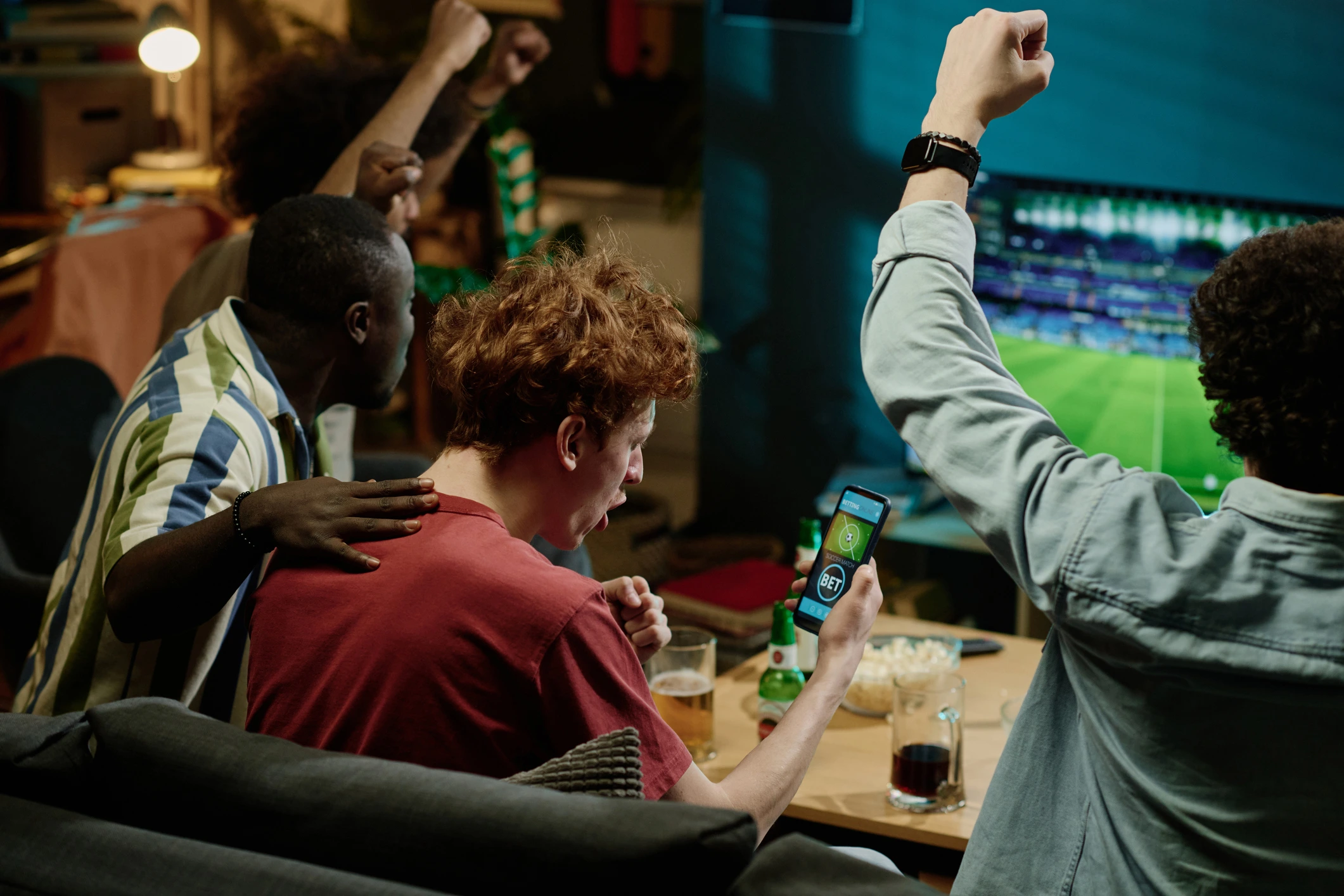
The biggest sporting event in history is underway and this year, the traditional TV broadcast infrastructure is under pressure… from creators.
In January, FIFA named TikTok its first-ever “Preferred Platform” for the tournament, giving a select group of global creators access to press conferences, training sessions and behind-the-scenes moments historically reserved for traditional broadcasters. YouTube assembled a roster of 25 creators with a combined reach of over 350 million subscribers.
In 2026, hundreds of millions of fans are experiencing the World Cup not only in stadiums or in front of their TVs, but also on their phones through their favorite creators.
78% of millennials and 70% of Gen Zs say they are likely to split their attention during the World Cup between the match and a second screen. Among UK Gen Z fans, Snapchat research found 74% are likely to reach for their phones during scheduled breaks in play
With the second screen now second nature to football fans, the lines between fans, creators, athletes, and broadcasters have collapsed. For influencer marketers, the opportunities creators present to tap into the global cultural moment that is the FIFA World Cup are boundless.
Creators Aren’t Just Amplifying the World Cup, They’re Broadcasting It
This year, creators have moved well beyond tapping into World Cup fever with match commentary or product promos filmed in their bedrooms or home studios… they’ve become an integral part of the online broadcast machinery.
TikTok deployed 30 official Creator Correspondents across four continents, 11 countries and 22 cities, with access to bus arrivals, training sessions, press conferences and matchday events.
YouTube put 25 creators in stadiums, covering tactical breakdowns, pitch challenges, host city culture and food, for a combined audience of over 350 million subscribers. Sports entertainment platform DAZN recruited 48 creators, one per qualified nation, for daily social-first content and cultural storytelling. Snapchat deployed more than 50 creators, with lifestyle mega-influencer Alix Earle on the ground creating content.
For a large and growing slice of the global audience, these creators are the primary lens on the tournament.
“Influencers and creators are no longer just amplification channels; they are cultural interpreters, shaping how moments are framed, shared and understood in real time,” Will Butterworth, strategy director at Edelman, told Creative Salon.
Where the traditional broadcaster delivers a match and commentary to the broadest possible audience, creators amplify the event with live reaction, debates, memes, and highlights clips tailored to their community’s preferences.
“This is all about how we tell the story of the World Cup through the fans’ eyes … Everyone can watch the matches, but understanding the cultural phenomenon of the World Cup is what this program is all about,” Walker Jacobs, chief revenue officer and president at DAZN, told Digiday.
That cultural phenomenon is being narrated, framed and distributed by creators, with or without a brand in the frame. The question isn’t whether to work with creators. It’s whether the ones you’re working with are inside that infrastructure or not.
Athletes as Influencers: A Blurring Line
That footballers dominate social media is obvious to anyone with an Instagram account. Portugal’s Cristiano Ronaldo (668 million followers) and Argentina’s Lionel Messi (510 million followers) are the owners of the platform’s two largest accounts.
Together, Ronaldo, Messi, Brazil’s Neymar (236 million) and France’s Kylian Mbappé (131 million followers) account for 45.4% of all Instagram followers held by players at this tournament.
Meanwhile, the World Cup’s own official Instagram account, @fifaworldcup boasts 63.1 million followers.
“Many players now have individual platforms that far exceed the teams or leagues they play in,” Daniel Wood, SVP of sports and entertainment at WPP Media, told Creative Salon.
The athlete’s personal channel is, in many cases, the primary brand asset. The sharpest example of where this goes isn’t an athlete, it’s a creator who built himself into a broadcaster.
CazéTV, the YouTube channel fronted by Brazilian streamer Casimiro Miguel, is the only broadcaster in Brazil, digital or traditional, with rights to all 104 games. In comparison, Brazilian free-to-air television station Globo, which dominated Brazilian soccer broadcasting for decades, bought the rights to just 55 matches.
Miguel’s YouTube audience is unique in that it was built on community trust: a self-deprecating, meme-driven commentary style that traditional broadcasters couldn’t replicate. Ronaldo is now a shareholder in LiveMode, the agency behind CazéTV.
“Generally, this audience is younger and doesn’t just want to watch a match. They want to participate in the conversation, interact in real time, and feel like they are part of a community,” Sergio Lopes, co-founder of LiveMode, told The Associated Press.
The impact of the deal was immediate: Brazil’s opening match against Morocco drew 12.2 million simultaneous viewers on CazéTV, the largest live audience in YouTube history.
“The star power of an athlete will always offer a level of borrowed fame and saliency that’s difficult to replicate … However, influencers and creators are building highly engaged, often niche audiences that value authenticity and relatability over pure star power. Their influence operates differently — less about reach in a single moment, more about sustained cultural relevance. The most effective campaigns increasingly combine both: Athletes provide the cultural gravity and credibility, while creators extend the story into fan communities in ways that feel more personal and participatory,” said Will Butterworth, strategy director at Edelman.
For influencer marketers, the lesson is clear. Athlete partnerships and creator strategies now go hand-in-hand. The real question when defining a strategy around a cultural event like the World Cup is where does the audience trust actually reside? Once you’ve defined that, you can build something truly meaningful.


Why Multicultural and Micro Matter More Than Ever
48 teams. 104 matches. 16 host cities across three countries. The structure of this tournament has direct consequences for how influencer programs need to be built.
The FIFA World Cup is simultaneously the biggest shared cultural event on the planet and an intensely local, community-specific experience. Both things are true, and the creator strategies that work will speak to both at once.
In countries like the U.S., the diaspora is significant. More than half of U.S. soccer fans are multicultural, with Hispanics accounting for close to a third of the total audience — a fan base larger than either Mexico or Spain in absolute terms.
Nielsen data shows 94% of first- and second-generation Hispanic fans use social media for soccer content, and 81% plan to actively engage during the tournament. They’re also 38% more likely to use TikTok for sports news and highlights than the general population. This is a creator-first audience and it’s enormous.
These types of demographics are not unique to the U.S., but apply to any country with a rich immigration history. In many cases, fans will be supporting more than one team as their own, multiplying the opportunities for brands to reach them on a variety of cultural levels.
In this sense, generic national campaigns may miss the point. Brands that prioritize fit over reach will outperform those that concentrate spend on big names.
The simple way to describe the strategy is a many-to-many model. Instead of one brand voice talking to millions, hundreds or even thousands of creators spanning athletes, fans, lifestyle creators and micro-influencers are leveraged to reach multiple communities simultaneously.
The question isn’t which creator to choose for the World Cup. It’s whether your roster has genuine coverage across the communities where your brand has relevance — and whether those creators have been given the brief and the space to speak in their own voice. In a tournament this fragmented, cultural fluency is the only form of reach that compounds.
What This Means if You’re Running an Influencer Program Right Now
The World Cup runs until July 19. The planning window is largely closed for most brands, but the execution window isn’t. And execution here looks different from what most influencer programs are set up to deliver.
Brands can activate legally during the tournament by focusing on the cultural conversation around soccer rather than FIFA’s protected intellectual property without implying official affiliation: fan culture, national team participation, matchday rituals.
The playing field is wide. 61% of fans consume highlight clips and fan commentary on social, 82% buy snacks monthly and 76% order food delivery by mobile during matches, according to Disrupt Marketing. Creators already live inside all of those moments.
Briefing for Live Moments, Not Just Planned Content
The content that defines tournament cycles rarely comes from planned campaigns. It comes from the goal at 2 a.m., the upset nobody saw coming, the celebration that generates 40 fan edits before the final whistle. In this case, the most culturally relevant World Cup moments will be impossible to plan.
Your creators need to be briefed on brand guardrails before the tournament, not during it. A creator who knows your tone, your restricted terms and your content parameters can post within minutes of a moment breaking. One who just signed for the tournament cannot.
Platform Priorities for the Remaining Window
TikTok is where the reaction happens. Fan commentary and meme formats peak within hours of a moment, and TikTok data shows fans are 42% more likely to tune in to live matches after watching sports content on the platform. Brief for speed: quick reactions, opinion takes, match commentary.
YouTube is where depth pays off. The platform’s World Cup creator roster covers tactical breakdowns, host city exploration, food culture and behind-the-scenes access, formats that return views across the tournament window, not just in a 48-hour spike.
Instagram sits between the two. Reels recommended to non-followers perform best at under three minutes, well suited to polished storytelling and watch-party formats. It extends TikTok reach rather than leading.
The World Cup as a Preview
The final whistle at MetLife Stadium on July 19 closes out the 2026 FIFA World Cup. What it won’t close out is the shift this tournament has put on display.
The creator programs built for this tournament, the platform deals between FIFA and TikTok and YouTube, DAZN48, CazéTV displacing Globo are not experiments. They’re the new standard and every major event going forward — whether it’s the Olympics, the Super Bowl or the Rugby World Cup — will be contested in the same environment.
Brands that use this World Cup to test creator-first strategy in live conditions will learn things that they didn’t know in May: which creators can move fast, which platforms drive conversation versus depth, whether their briefing infrastructure is built for the moment or just the campaign.
The real question isn’t what to do for the next World Cup in 2030. It’s whether the creator relationships, briefing depth, platform fluency and multicultural coverage are being built as a standing capability, or assembled from scratch each time a big event approaches.
As investments in influencer marketing continue to grow, the challenge for brands will be defining creator-led strategies and operating models that drive business results when it counts.
Finding the right creators for a fragmented, multicultural, multi-platform moment — verifying audience credibility, checking community fit, managing briefs, tracking performance across a 39-day window — doesn’t scale through spreadsheets. It requires data platforms like Kolsquare that can filter by audience geography and engagement quality at the same time, surface creators who actually live in the communities a brand needs to reach, and show you what performed in real time.
That’s the gap this World Cup has made impossible to ignore. And it doesn’t go away when the tournament does.
Ready to build your creator program for what comes next? Kolsquare helps brands and agencies across Europe find, brief and measure the right creators at scale. → Explore the Kolsquare platform → Book a demo
About Kolsquare
Kolsquare is Europe’s leading Influencer Marketing platform, offering a data-driven solution that empowers brands to scale their KOL (Key Opinion Leader) marketing strategies through authentic partnerships with top creators.
Kolsquare’s advanced technology helps marketing professionals seamlessly identify the best content creators by filtering their content and audience, while also enabling them to build, manage, and optimize campaigns from start to finish. This includes measuring results and benchmarking performance against competitors.
With a thriving global community of influencer marketing experts, Kolsquare serves hundreds of customers—including Coca-Cola, Netflix, Sony Music, Publicis, Sézane, Sephora, Lush, and Hermès—by leveraging the latest Big Data, AI, and Machine Learning technologies. Our platform taps into an extensive network of KOLs with more than 5,000 followers across 180 countries on Instagram, TikTok, Twitch, Facebook, YouTube, and Snapchat.
As a Certified B Corporation, Kolsquare leads the way in promoting Responsible Influence, championing transparency, ethical practices, and meaningful collaborations that inspire positive change.
Since October 2024, Kolsquare has become part of the Team.Blue group, one of the largest private tech companies in Europe, and a leading digital enabler for businesses and entrepreneurs across Europe. Team.Blue brings together over 60 successful brands in web hosting, domains, e-commerce, online compliance, lead generation, application solutions, and social media.

Author



FAQ
How have influencer marketing budgets changed from 2020-2024?
The UK influencer marketing spend has experienced significant growth from 2020 to 2024, reflecting the increasing importance of this strategy in brand marketing efforts. Here's an overview of the trends during this period:
2020:
- Brands allocated approximately £375 million to influencer marketing in the UK.
2021:
- Spending rose to £577 million, marking a 65% increase.
2022:
- Spends continued to climb, reaching £701 million, indicating sustained growth in the sector.
2023:
- Projected spending was £809 million, showing a consistent upward trend.
2024:
- Estimates suggest that UK brands will spend £916 million on influencer marketing, continuing the growth trajectory.
Source: Statista
This upward trend highlights the growing recognition of influencer marketing's effectiveness.
Do you have an influencer marketing budget template?
No, we don’t offer a pre-made influencer marketing budget template. However, you can easily create one tailored to your needs using insights and data from our tools:
- Use the Kolsquare Kolculators
- These tools estimate costs for influencer collaborations on platforms like Instagram and TikTok, helping you calculate realistic budgets based on influencer tiers, engagement rates, and audience size.
- Leverage Kolsquare’s Platform
- The platform offers detailed analytics, including campaign cost predictions, audience demographics, and performance benchmarks. This data can form the foundation of your budget planning.
- Create Customised Categories
- Organise your budget by influencer tiers (e.g., nano, micro, macro), platforms, and campaign types (for example, sponsored posts or giveaways). Include line items for additional costs like paid promotions or content production.
By combining these resources, you can develop a data-driven template that aligns with your campaign goals and budget constraints.
Where can I access an influencer marketing budget calculator?
Kolsquare provides calculators that help brands, and agencies estimate how much it will cost to collaborate with specific influencers.
Instagram Calculator
This tool allows you to estimate rates for sponsored posts and Stories on Instagram. By entering an influencer’s username, the calculator provides a pricing range based on:
- Follower Count: Total number of followers.
- Engagement Rate: The level of audience interaction with their content.
- Earned Media Value (EMV): The estimated value of exposure generated by a collaboration.
This helps businesses plan budgets and negotiate fair prices for Instagram influencer collaborations.
TikTok Calculator
The TikTok-specific calculator gives insights into:
- Follower Count: Number of followers on the platform.
- Recent Activity: Frequency of video uploads.
- Engagement Rate: Level of audience interaction.
- Estimated Earnings per Post: Projected costs for sponsored TikTok content.
These tools are invaluable for estimating ROI and setting budgets for TikTok partnerships.
Why Use These Tools?
Using Kolsquare’s calculators ensures your influencer marketing budget aligns with realistic market rates and campaign objectives. Accessible online, they are easy to use and highly accurate for UK-based campaigns.
What are the key influencer marketing statistics for 2024?
The Kolsquare European Survey: The State of Influencer Marketing Report 2024/5 provides the following key insights into the influencer marketing landscape, including specific data for the UK:
- Influencer Collaborations: 81% of UK brands work with micro-influencers (10,000–100,000 followers), highlighting their preference for niche, highly engaged audiences.
- Platform Usage: Instagram remains the leading platform for influencer marketing, with 89% of UK marketers using it for campaigns.
- Campaign Volume: 21% of European brands partnered with 50-99 influencers last year, while 31% worked with 10-49 influencers, reflecting varying collaboration strategies.
- Budget Allocation: UK companies spent an average of £849k on influencer marketing in the past year, a figure below the European average, indicating a more conservative spending approach.
- Future Projections: 46% of UK brands expect to increase their influencer collaborations by 10–19% in the next year, signifying a growing investment in the space.
- Ethical Considerations: 76% of UK brands ensure influencers comply with industry regulations, demonstrating a strong focus on ethical and transparent practices.
What is a typical influencer marketing budget?
In the United Kingdom, influencer marketing budgets vary significantly across businesses. According to Kolsquare's recent report, UK companies spent an average of £849,000 on influencer marketing in the past year. However, this figure is elevated by substantial investments from larger corporations. The most common expenditure among UK businesses is considerably lower, with many allocating less than £250,000 annually to influencer campaigns. This average spend is notably below that of other European countries, highlighting a more conservative approach to influencer marketing within the UK market.
How to create an effective influencer marketing strategy?
Creating a successful influencer marketing strategy requires a systematic, data-driven and creative approach,
Start by identifying your primary goals. Objectives should be specific, measurable, achievable, relevant, and time-bound (SMART). Examples include:
- Brand Awareness: Increase your brand’s visibility among target demographics.
- Lead Generation: Collect potential customers’ information for follow-ups.
- Sales Conversion: Drive direct purchases through influencer content.
- Audience Engagement: Build a loyal community around your brand.
Defining clear objectives sets the foundation for every decision, from influencer selection to campaign performance metrics.
Then, focus on identifying the right influencers. Suitable influencer identification is critical for success. Key factors to consider include:
- Audience Demographics: Ensure the influencer’s audience aligns with your target market.
- Engagement Rates: High engagement signals an active and connected audience.
- Niche Expertise: Select influencers whose content aligns with your industry (e.g., beauty, tech, fitness).
- Past Performance: Analyse their previous brand collaborations for results and authenticity.
- Tools: Platforms like Kolsquare and the Kolculator provide detailed analytics on influencers' audience demographics and engagement rates.
- Social Media Platforms: Does your target audience tend to connect better with influencers on social networks, such as YouTube, Facebook, Instagram, or TikTok?
Pro Tip: Smaller influencers like micro-influencers (10K–100K followers) often offer a more personal touch. They also have niche audiences with higher engagement rates while still having good reach, making them ideal for cost-effective campaigns.
The next step is to develop authentic partnerships. Authenticity is the backbone of influencer marketing. Audiences value genuine recommendations over overtly promotional content. To foster this:
- Involve Influencers Early: Collaborate with influencers during campaign planning to create content that feels natural.
- Provide Creative Freedom: Allow influencers to use their unique voice while aligning with your brand message. These creators are experts at connecting with their audiences on social networks like Instagram, Facebook, and YouTube.
- Build Long-Term Relationships: Partnering with influencers over multiple campaigns fosters loyalty and credibility. People are more likely to view long-term campaigns as credible.
Then, focus on creating creative, authentic content. Content should align with your brand identity while resonating with the influencer’s audience. Strategies include:
- Content Types: Sponsored posts, product reviews, tutorials, or giveaways. Short videos tend to drive strong engagement on TikTok, Instagram, and Facebook. However, long-form YouTube content allows the creator to go in-depth.
- Platform-Specific Optimisation: Customise content for platforms like Instagram, TikTok, Threads, or YouTube to leverage their unique formats (e.g., Reels, Stories, Shorts).
- Interactive Elements: Include polls, Q&A sessions, or challenges to engage the audience. Asking questions gives you data and gets people involved.
Pro Tip: Incorporate trending formats, such as before and afters or “unboxing” content, which consistently perform well.
Next comes reporting and monitoring. Track campaign results to determine success and optimise future strategies. Focus on:
- Engagement Metrics: Likes, comments, shares, and saves.
- Reach and Impressions: Assess how many people saw the content.
- Conversions: Sales or leads generated directly from the campaign.
- ROI/ROAS: Compare revenue to campaign spending for financial efficacy.
- Tools: Platforms like Kolsquare provide real-time analytics and benchmarks to track KPIs effectively.
The final step is to ask yourself the following questions: what worked and what didn't? And how can that guide my future strategy?
No campaign is perfect from the start. Use insights from your performance metrics to:
- Adjust content formats or platforms for better reach
- Refine audience targeting based on engagement patterns
- Test new influencers or content types for improved outcomes (for example, working with multiple smaller influencers rather than one mega-influencer)
Where can I find an Influencer marketing benchmark report for 2024?
The Kolsquare European Survey: The State of Influencer Marketing Report 2024/5 offers comprehensive insights into the influencer marketing landscape across Europe, with detailed analyses for countries including the UK, Spain, Italy, France, and Germany. By surveying over 380 senior marketers and directors from various sectors, the report provides valuable data on:
- Campaign Strategies: Examine the types of influencer brands collaborate with—nano, micro, macro, or mega—and the prevalence of one-off versus long-term partnerships.
- Platform Usage: Identifies the most frequently used social networks like YouTube, Facebook, and TikTok for influencer marketing, with country-specific breakdowns.
- Content Formats: Highlights preferred collaboration formats and content types across different regions.
- Budget Allocations: Details spending levels, budget splits by country, and future budget predictions, offering a clear picture of financial commitments to influencer marketing.
- Key Performance Indicators (KPIs): Outlines the primary KPIs used by influencer marketers to measure campaign success.
- Challenges and Pain Points: Discusses common challenges faced by European influencer marketers, with specific insights for each country.
- Influencer Selection Criteria: Explores the top factors considered when selecting Key Opinion Leaders (KOLs) for partnerships, including local specificities.
- Ethics and Social Responsibility: Addresses the importance of ethical conduct, social responsibility, and the role of influencer marketing in inspiring positive change.
- Future Predictions: Provides forecasts for the influencer marketing industry over the next 12 months.
This report is essential for brands aiming to refine their influencer marketing strategies, offering data-driven insights into current trends, budget considerations, and ethical practices. By understanding the nuances of each market, businesses can tailor their campaigns for maximum impact.
What is the Influencer marketing market size?
The global influencer marketing industry is projected to reach £18.8 billion by the end of 2024, reflecting substantial growth and investment in this sector.
In the United Kingdom, the influencer marketing industry was valued at £916 million in 2024 and is expected to rise to £1.4 billion by 2030.
This significant growth underscores the increasing importance of influencer collaborations in the UK's marketing landscape.
What was the average Influencer marketing spend in 2024?
In 2024, UK companies allocated an average of £849,000 to influencer marketing, a figure notably lower than the European average. This disparity is partly due to the UK's diverse range of companies, where a few large corporations invest heavily, elevating the overall average. However, the most common expenditure among UK businesses is significantly less, with many firms spending under £250,000 annually on influencer campaigns.
This trend suggests that while top-tier companies drive up the average spend, the majority of UK businesses adopt a more conservative approach, investing modestly in influencer marketing compared to their European counterparts.
How much do influencers charge per post?
Charges per post depend on the influencer's tier, engagement rates, and the industry they operate in.
Here's a breakdown for Instagram:
- Nano-influencers (1K–10K followers): £50–£200 per post.
- Micro-influencers (10K–100K followers): £200–£1,000 per post.
- Macro-influencers (100K–1M followers): £1,000–£10,000 per post.
- Mega-influencers (1M+ followers): £10,000+ per post.
TikTok rates are generally higher due to its strong engagement and virality potential. For instance, TikTok nano-influencers may charge £100–£300 per post, while mega-influencers can command £15,000+ per campaign.
Factors that influence pricing include:
- Engagement Rates: Influencers with higher engagement often charge a premium as their audiences are more likely to take action.
- Industry: Niche industries like beauty or tech may demand higher fees due to their competitive nature and product complexity.
- Content Complexity and Exclusivity: Custom video content or exclusivity agreements can increase fees.
To estimate influencer costs on platforms like Instagram and TikTok, tools such as Kolsquare’s Calculator offer precise insights into how much an influencer will charge based on follower count, engagement rates, and platform benchmarks. Simply input the influencer's handle, and the calculator will give you an estimate. This helps you plan budgets effectively and removes some of the guesswork.
How much should I spend on influencer marketing?
Determining the proper influencer marketing budget starts with understanding your goals and aligning them with your overall marketing strategy. There are some key questions: Are you aiming for brand awareness, lead generation, or conversions? Is your campaign one element of a multi-channel campaign? What is your overall budget?
Here’s a look at how brands are budgeting with data from Kolsquare:
- Spending Trends: In 2024, 33% of UK brands allocated €100K–€249K to influencer marketing, while 17% spent €50K–€99K.
- Budget Growth: Almost half (49%) of UK marketers plan to increase their influencer marketing budgets by 10–19%, and 11% are preparing to boost their spending by 50% or more next year.
Let's dive into some factors that affect the budget of your influencer marketing efforts:
- Campaign Goals: To increase brand awareness, you might allocate more toward macro-influencers with broad reach. For engagement or conversions, focus on micro- or nano-influencers who connect authentically with their audience. Smaller creators are cheaper to work with, which can keep costs down when running a large-scale campaign.
- Industry Benchmarks: Use industry standards to guide your spending. Research what similar brands are investing in and what results they’re achieving to ensure your budget is competitive.
- Platform Costs: Platforms matter. Instagram and TikTok are generally more cost-effective than YouTube, where higher production values and loyal audiences often mean bigger price tags.
- Geographical Focus: Influencer costs vary by region. For example, campaigns targeting global audiences or high-demand regions like North America or Western Europe may require higher budgets.
- Content Type: Video content (especially long-form YouTube videos) typically costs more than static posts, but it often delivers stronger engagement. Consider the type of content that best resonates with your audience and plan accordingly.
- Frequency and Longevity: One-off campaigns do have an impact, but long-term partnerships often yield better ROI and allow for more authentic connections between influencers and your brand.
- Risk Management and ROI Tracking: Allocate funds for tools and resources that collect key metrics, track campaign performance, and provide measurable ROI.
What is a good ROI for influencer marketing?
A favourable ROI in influencer marketing typically means earning more than £5 for every £1 spent. However, returns can vary based on campaign objectives and execution.
It will also vary depending on the industry, as engagement rates tend to fluctuate. For example, technology engagement rates are higher than media and entertainment.
However, data from Influencer Marketing Hub suggests that 84.8% of marketers consider influencer marketing effective, indicating its potential for substantial returns.
How much is influencer marketing?
Influencer marketing costs can vary widely depending on the influencer’s size, platform, and the type of content you need. It's contortionist-level flexible.
The first consideration is follower count. Though a superficial metric in many ways, smaller audiences tend to command lower influencer payments. Nano-influencers (1,000–10,000 followers) charge about £10–£100 per post, while micro-influencers (10,000–100,000 followers) may cost £100–£5,000 (these creators are highly sought after, so there's a gulf between prices). And macro-influencers (500,000–1,000,000 followers) will charge £5,000–£10,000. Mega-influencers with over 1 million followers? You’re looking at £10,000 or more--sometimes much more.
The social media platform you use will also impact costs. For example, TikTok creators will have different expectations than Facebook creators.
Currently, Instagram is the go-to for UK marketers. The Kolsquare State of Influencer Marketing report found that 89% of brands running influencer campaigns opt for Instagram, which is more than Facebook (72%), TikTok (67%), and YouTube (63%). This means that Instagram creators are able to push prices up.
The format of content also matters. For example, if created by the same influencer, a 10-minute YouTube video will cost more than a 30-second Instagram Reel, which will, in turn, cost more than a photo posted on Facebook. Creators put great effort into their posts and should be remunerated accordingly.
However, some influencer's content takes longer to make than others. For example, if a brand wants an artist creator to paint a large canvas for the ad, it will likely cost more than a short product review.
But these elements don’t tell the whole story. Influencers with high engagement rates and more credible audiences are also highly desirable. With strong communities of people who genuinely trust them, these creators will likely bring better results. They will also approach collaborations cautiously, only aligning with brands they truly resonate with. The rise of these expert creators on platforms like YouTube and Instagram has made the industry more credible and presents a fantastic opportunity, but it will be more costly.
However, you can also adjust costs depending on your chosen campaign. For example, a gifting strategy doesn't require influencer payments; you just send free products to influencers in exchange for a post. On the other end of the spectrum, working with brand ambassadors, who create regular posts and become entrenched with the brand, could require you to invest £5,000+ per month per influencer.
However, although more casual collaborations shield the blow to your overall budget, they may feel superficial to followers.
Lastly, there are the operational complexities and costs. Finding influencers with genuine engagement capable of catapulting your brand to new heights requires careful analysis. Once that decision is made, there is still the need to negotiate rights, review content, manage the relationships, and develop reports. Without a large team with ample free time, the complexity can cause costs (and stress levels) to spiral.
This is where Kolsquare steps in. We simplify influencer marketing by offering a database for finding authentic influencers fast, campaign management, and spreadsheet-free reporting, all on one platform!
How much do influencers charge per post?
How much influencers charge depends on the industry, type of content, and desirability. They may even lower their fees during quiet times when there is little interest.
Influencers charge varying amounts per post depending on their follower count, engagement rates, content quality, and location. For sponsored posts, nano-influencers (1,000-5,000 followers) typically charge between £10 and £100 per post, while micro-influencers (5,000-100,000 followers) ask for £100 to £1,000. Macro-influencers (100,000-1m followers) command £1,000-£10,000 per post, while mega-influencers and celebrities (over 1 m followers) can charge £10,000 or more.
Check out the Kolculator for more precise estimates. Just input the creator's handle and click "Kolculate!"
How much do influencers with 100k followers charge per post?
There is no universal price that influencers with 100k followers charge per post. However, in general, they will charge between €2k and €7k for content.
One particular factor is earned media value (EMV), which estimates how much the buzz from an influencer campaign would have cost to generate through traditional marketing channels. EMV is based on metrics such as content engagement, impressions, and the type of audience reached. It affects influencer compensation by providing a rough idea of the noise an influencer can generate. As a result, influencers with around 100k followers charge varied amounts.
Let's compare two influencers with 100k followers:
- Millie Mac (@milllliemac, 100k followers, Instagram): Fashion and beauty influencer Millie Mac posts makeup looks, outfits, and hairstyles. On the low end, the Kolsquare calculator estimates that an Instagram post would cost €5.5k. On the high end, it could be €7.5k.
- Amy Hudson (@amy.cycling.adventures, 100k followers, Instagram): This influencer shares her cycle trips and athletic achievements. The estimated cost per post is between €2.6k and €3.5k.
As you can see in each case study, influencer compensation varies due to metrics beyond follower counts.


.webp)




NEXT IN INFLUENCE
The must-read newsletter for influencer marketers
Every month we gather the top data, trends, and analysis on the creator economy. Only what matters. Straight to your inbox
L’essentiel, directement dans votre boîte mail.
.webp)