Log in

English

With Kolsquare, Les Bougies de Charroux Takes Control of Its Influencer Marketing
In early 2026, the French artisanal candle brand brought its influencer marketing in-house and now runs its campaigns from start to finish. With Kolsquare, it targets creators more precisely, activates them better and keeps control.
.webp)
About the brand
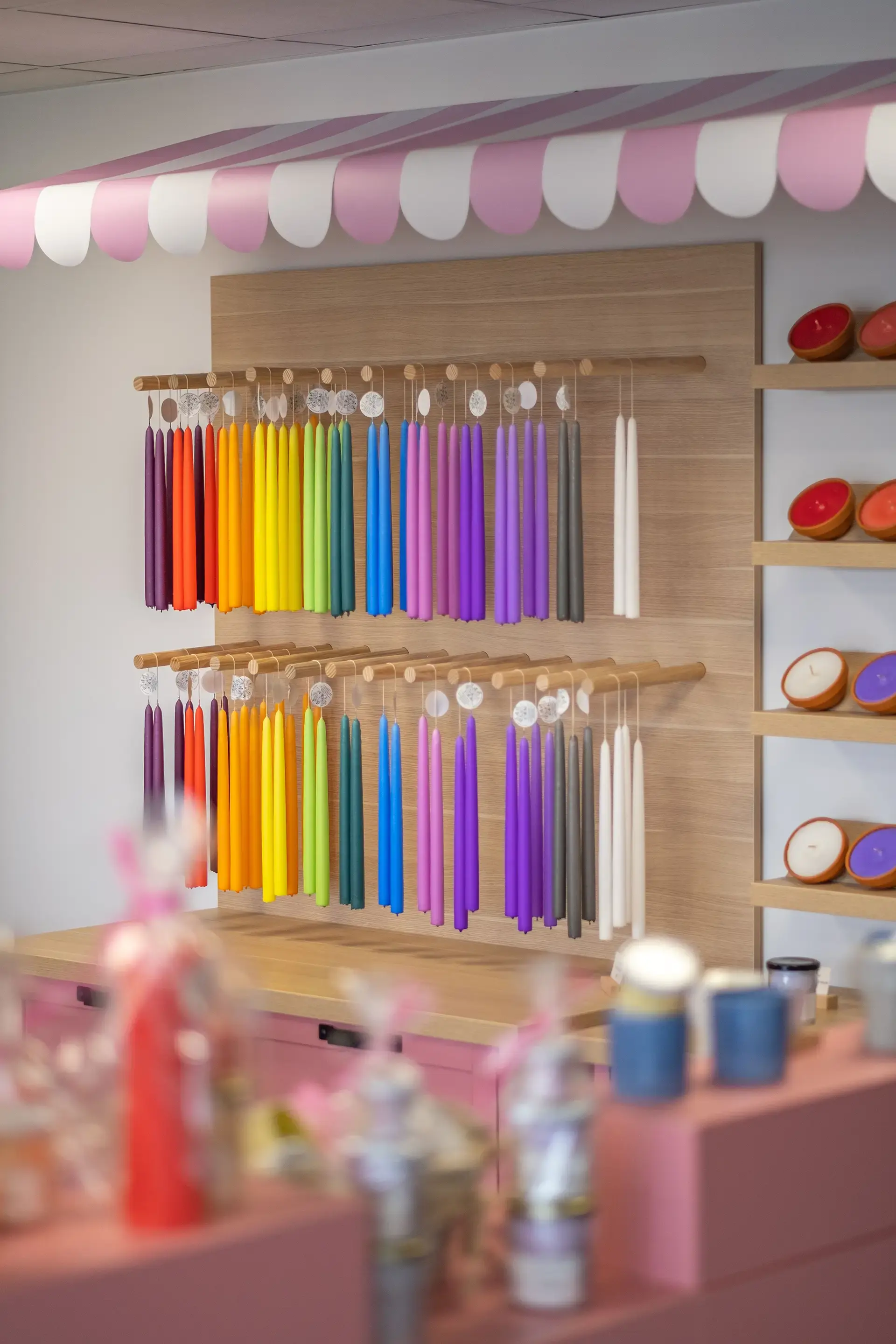
Founded in 2007, Les Bougies de Charroux is a French candle maker that hand-pours scented candles using fragrances from the famed Grasse region in the country's south. The craftsmanship remains untouched, down to the detail that defines the brand: each candle sits in an iconic jam jar.
“Our flagship product is really the scented candle in that iconic jam jar. It's our brand DNA,” says Anaïs Lafoucrière, digital communications assistant.
Over the years, the brand has expanded into home fragrance, adding linen mists and diffusers. It now counts about 40 stores in France and Belgium, opens new locations on a regular basis and aims for 80 points of sale by 2028. Its typical customer is a lifestyle-focused shopper age 25 to 55 who cares about home decor.
The challenge: taking back control of influencer marketing
For years, an external Paris-based agency handled influencer marketing for Les Bougies de Charroux, relying mainly on gifting. The model worked, but it showed its limits as the market grew tougher.
“We're starting to build a more mature influencer strategy. This year is a test year for us, so we can set an operational strategy for 2027,” Lafoucrière says. Creators are getting more demanding about unpaid collaborations, and the brand wanted to move faster, cast more precisely and control costs better.
The decision came in January 2026: bring influencer marketing fully in-house. To prepare, the brand adopted Kolsquare as its platform to build an in-house strategy, from sourcing profiles to reporting.
The strategy: campaigns timed to product launches
The year at Les Bougies de Charroux runs on four major fragrance launches. For each one, Lafoucrière builds a full influencer campaign. Smaller product lines ride along with a flagship launch instead of getting their own, so creators aren't overtapped.
Gifting remains the core of the strategy, mostly with nano- and micro-influencers. Since the start of the year, the brand has activated about 50 profiles. Casting is precise: fit with the brand's world, real affinity for candles and decor, and the creator's style and credibility all matter.
Platform choice follows the same logic. Instagram carries most of the activity, the natural home for lifestyle and decor content, while TikTok proves trickier for sponsored posts. “If the content stays authentic and spontaneous, it can work,” Lafoucrière notes. For the end of the year, the brand plans to expand to YouTube and start its first paid collaborations, focused on the holiday season.
Kolsquare's role: from precise casting to a full view
To build her campaigns, Lafoucrière first uses the platform's filters to narrow the field: community size, engagement, audience age and gender, and interests. Then comes the detailed work, profile by profile, where Kolsquare shows statistics, brands the creator has already worked with and their content history.
Keyword search makes a real difference in the selection process.
“I search for the word 'candle' in creators' content to see if they already talk about the topic and to make sure there's a real fit before working with them.”
Access to everything a creator has already produced about the brand also changes daily work.
“What's really useful on Kolsquare is being able to see everything an influencer has done and check whether they've already talked about us before. Without the platform, I couldn't see everything that person has done related to us.”
The platform also supports local operations: the location filter helps the brand find creators near a store it wants to promote. Beyond the tool itself, it's a new way of working.
“With Kolsquare, we really have a full view of our influencer strategy. We're much more responsive, and above all we pick profiles that actually match what we want.”
The results: a first in-house campaign that sets the tone
February 2026, Fleur de Pampa. It's the first campaign run entirely in-house, and it serves as a real-world test. Of the 28 creators contacted, 16 received the product and 13 posted, for a total of 25 pieces of content published. That's an average of two posts per creator, a sign of real engagement rather than a simple acknowledgment.
To judge a campaign, Lafoucrière first looks at conversion rates: contacted profiles to posts, and contacted profiles to positive replies. That rate varies widely by product line. The new linen mist line, for example, generated a particularly high response rate. Next come EMV, reach, engagement and views, with budget set against the value of the products gifted.
Beyond the numbers, bringing influencer marketing in-house has changed the game. The brand moves faster, aligns profiles more closely with its image and controls its own costs. “There's real cost control: keeping this in-house is cheaper for the company,” Lafoucrière confirms. It's a solid foundation as the brand prepares to ramp up its influencer strategy for the holidays in the coming months.

.webp)


.webp)




Influencer Marketing Newsletter
Never miss a beat with our newsletter !
Every month we gather the top data, trends, and analysis on the creator economy. Only what matters. Straight to your inbox
L’essentiel, directement dans votre boîte mail.
.webp)